How Animal-Assisted Intervention Supports Wellbeing for Children and Adults
Explore how animal-assisted therapy supports wellbeing at Affirmative Minds Psychology with a warm, safe, and neuroaffirming therapeutic approach.
Rocky Pellegrino - 06/12/2025
2 min read
How Animal-Assisted Intervention Supports Wellbeing for Children and Adults
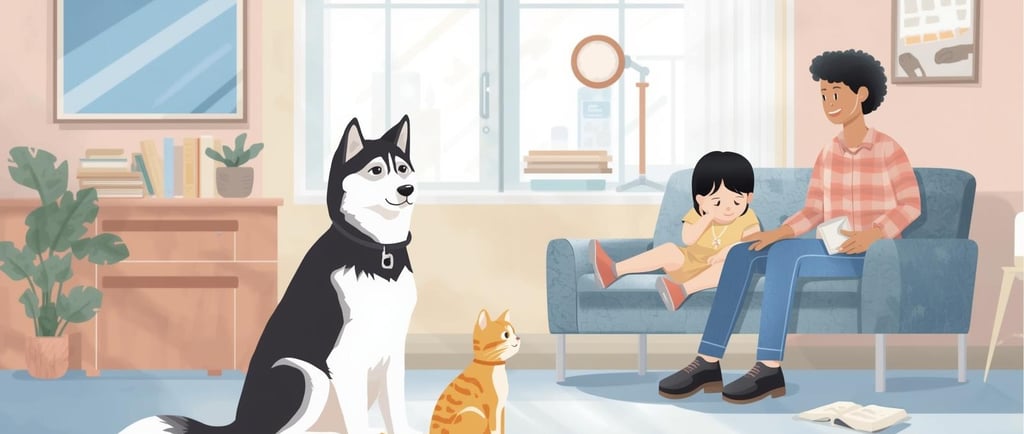
At Affirmative Minds Psychology, we strive to create therapy experiences that feel warm, safe, and deeply human. For many of our clients, spending time with a gentle therapy animal helps transform the space into one that feels calming, grounded, and more open, a place where healing can begin.
Animal-assisted intervention (AAI) isn’t just a nice add-on. It is an evidence-informed, person-centred approach that leverages the natural bond between humans and animals to support emotional wellbeing, reduce stress and anxiety, and foster deeper engagement in therapy.
Why Animals Make Such a Difference
Animals bring something unique to the therapy room: a sense of safety, acceptance, and presence. Their calm companionship can help clients, children or adults, settle in, feel held, and experience grounding in a way that words alone often can’t achieve.
Interacting with a therapy animal can help regulate the nervous system, lower stress-related hormones, and bring attention gently back into the present moment. This kind of grounding often opens a path toward deeper emotional work and healing.
Benefits for Children
Children, especially those who may be anxious, shy, neurodivergent, or new to therapy, often respond positively when a therapy animal is present. The therapy room becomes less intimidating and more welcoming.
How AAI supports young clients:
Reduces anxiety and fear: The presence of a calm, friendly animal helps children feel safer and more relaxed in therapy.
Improves emotional regulation: Gentle interaction with an animal, such as petting or calm presence, can help children soothe big emotions and manage stress.
Encourages communication: For children who struggle to talk about feelings, a therapy animal can help lower barriers, encouraging expression through non-verbal comfort and connection.
Boosts engagement and participation: Sessions involving animals often feel less clinical and more playful, which can make therapy feel more inviting and approachable.
Supports neurodivergent children: Many autistic or ADHD children benefit from the sensory input, predictability, and gentle support that therapy animals can offer.
Benefits for Adults
For adult clients, therapy animals offer comfort, grounding, and a sense of connection that can be deeply healing, particularly when dealing with stress, depression, grief, or trauma.
How AAI supports adults:
Reduces stress and physiological tension: Studies show that interacting with therapy animals can lower anxiety and promote calm and regulation.
Provides emotional safety during trauma work: The gentle presence of an animal can offer comfort and support during difficult or vulnerable therapeutic conversations.
Eases feelings of loneliness or isolation: For adults experiencing grief, social withdrawal, or life transitions, a therapy animal can bring companionship and a sense of connection.
Promotes mindfulness and presence: Animals naturally encourage slowing down, breathing, being present, tools that help foster self-awareness and emotional resilience.
A Valuable Addition to Holistic Psychological Care
Animal-assisted therapy is more than a “feel-good” extra. Within our holistic, neuroaffirming approach at Affirmative Minds Psychology, AAI can be a powerful, evidence-based tool that enhances connection, reduces distress, and supports meaningful emotional work for clients of any age.
Whether therapy is about learning to name emotions, building confidence, recovering from trauma, or navigating life transitions, a therapy animal can offer warmth, acceptance, and grounding: elements that often make all the difference in the therapeutic journey.
Reference list:
Autism CRC. (n.d.). Animal-assisted interventions (Autism Interventions Evidence Report). Retrieved from
https://www.autismcrc.com.au/interventions-evidence/category-overview/animal-assisted
Swinburne University of Technology. (2025). Incorporating animals in therapy can strengthen therapeutic relationships and improve outcomes. Retrieved from
https://www.swinburne.edu.au/news/2025/08/incorporating-animals-in-therapy-create-stronger-relationships-with-therapists-and-creates-better-outcomes/
Affirmative Minds Psychology
Affirming identities and amplifying voices for a brighter tomorrow.
© 2024. All rights reserved.
Affirmative Minds Psychology is a neuro-affirming psychology clinic in Watsonia, offering counselling, therapy and assessments for children, teens, adults and families. We support clients across Bundoora, Greensborough, Macleod, Rosanna, Heidelberg, Viewbank and Melbourne’s northern suburbs. Services include ADHD assessment, Autism assessment, child psychology, adult psychology, couples counselling, cognitive testing and animal-assisted therapy.
Affirmative Minds Psychology acknowledges the Wurundjeri Woi-wurrung people as the Traditional Custodians of the land on which we work and live. We pay our respects to their Elders past, present and emerging, and honour their continuing cultural and spiritual connection to the land, waters, and community.
Affirmative Minds Psychology celebrates, values and includes people of all backgrounds, genders, sexualities, cultures, bodies and abilities.