ADHD vs Autism: Understanding the Differences — and Why Many Individuals Present With Both
Parents and health professionals increasingly report children and adults presenting with traits that do not fit neatly into a single diagnostic category. One of the most common areas of clinical overlap is between Attention-Deficit/Hyperactivity Disorder (ADHD) and Autism Spectrum Disorder (ASD). Understanding both the distinctions and intersections between these neurodevelopmental profiles is essential for accurate support, reduced misdiagnosis, and improved wellbeing outcomes.
Rocky Pellegrino - 14/12/2025
2 min read
ADHD vs Autism: Understanding the Differences — and Why Many Individuals Present With Both
Parents and health professionals increasingly report children and adults presenting with traits that do not fit neatly into a single diagnostic category. One of the most common areas of clinical overlap is between Attention-Deficit/Hyperactivity Disorder (ADHD) and Autism Spectrum Disorder (ASD).
Understanding both the distinctions and intersections between these neurodevelopmental profiles is essential for accurate support, reduced misdiagnosis, and improved wellbeing outcomes.
Overview of ADHD and Autism
ADHD
ADHD is characterised by differences in attention regulation, impulse control, and executive functioning. In children, this may present as distractibility or hyperactivity. In adults, it often appears as chronic disorganisation, emotional dysregulation, and difficulty sustaining attention on low-interest tasks.
Autism
Autism is associated with differences in social communication, sensory processing, and information processing. Autistic individuals may rely on routine, experience sensory sensitivities, and engage deeply with specific interests.
Importantly, both ADHD and autism exist on spectrums, and presentations vary significantly across individuals.
Key Clinical Differences
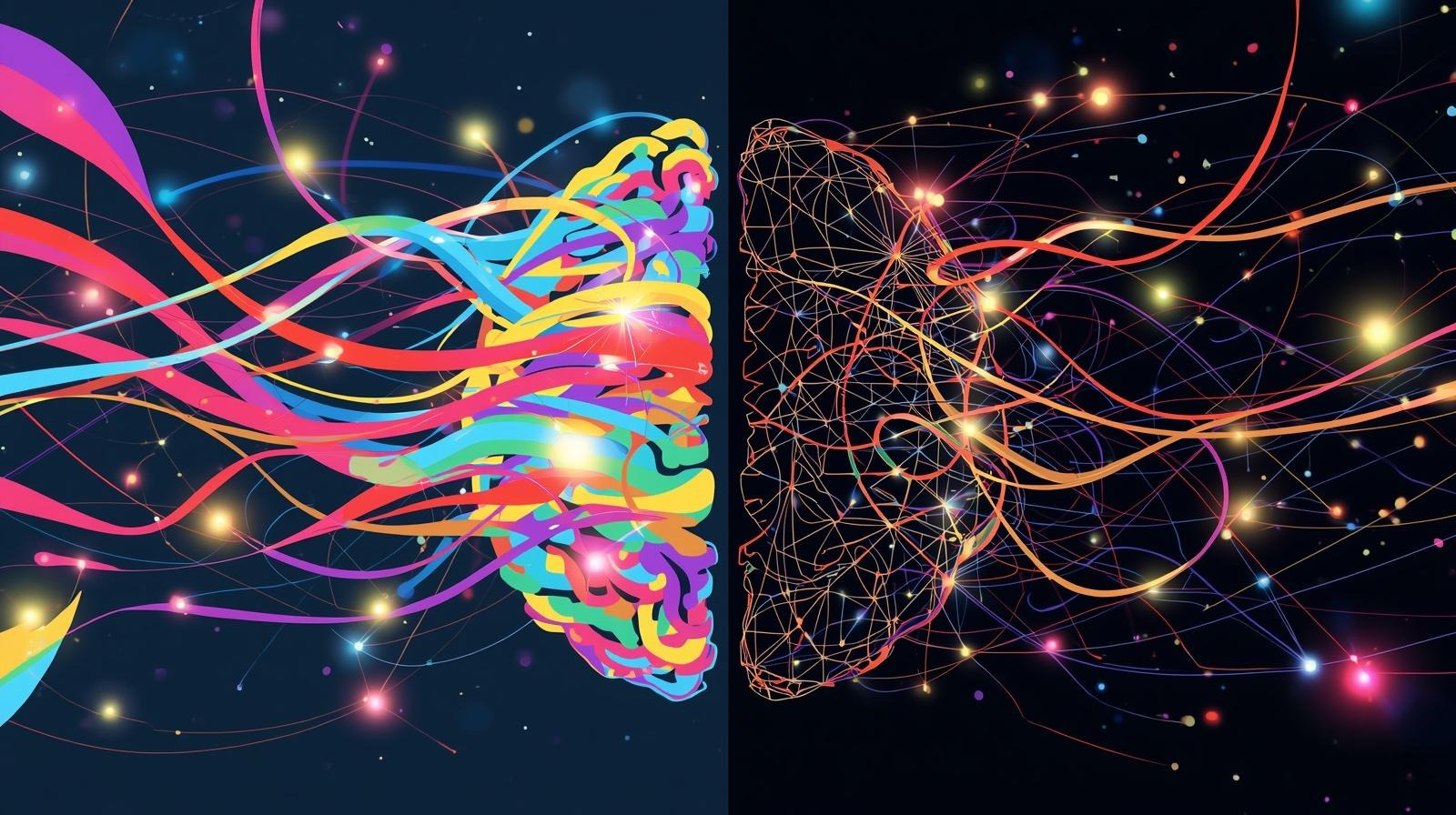
These differences are useful clinically, but they are not mutually exclusive.
Co-Occurrence of ADHD and Autism
Current research recognises a high rate of co-occurrence between ADHD and autism, a presentation often referred to as AuDHD. Individuals with this profile may show:
Conflicting needs for novelty and predictability
Emotional regulation challenges
Social fatigue despite strong social motivation
Periods of intense focus followed by burnout
For children, this may appear as fluctuating behaviour across settings. For adults, it often contributes to long-term stress, misdiagnosis, or delayed identification.
Late Identification and Masking
Many adults—particularly women and high-masking individuals—reach adulthood without formal identification. Compensatory strategies can mask underlying neurodevelopmental differences, often resulting in secondary anxiety, depression, or burnout.
Recognition later in life can provide access to appropriate supports and a reframing of long-standing difficulties.
Implications for Support and Intervention
A neurodiversity-affirming approach recognises that ADHD and autism reflect natural variations in human neurology. Effective support focuses on:
Environmental adjustments
Strength-based strategies
Emotional regulation support
Reducing unnecessary demands that contribute to burnout
This approach benefits both children and adults by promoting long-term wellbeing rather than behavioural suppression.
Supporting Children and Families
For parents, understanding whether a child may be ADHD, autistic, or both can:
Improve communication between home and school
Reduce misunderstandings about behaviour
Support appropriate accommodations
Strengthen parent–child relationships
Early, affirming support can be protective against mental health challenges later in life.
Final Note
Differentiating ADHD, autism, and AuDHD requires careful, individualised consideration. Recognising overlap is not a diagnostic failure—it reflects the complexity of neurodevelopmental presentations.
Support is most effective when it is curious, collaborative, and affirming.
Reference list:
Australian Bureau of Statistics. Disability, Ageing and Carers, Australia: Summary of Findings. ABS; latest release. https://www.abs.gov.au/statistics/health/disability/disability-ageing-and-carers-australia-summary-findings/latest-release Australian Bureau of Statistics
Amaze. Autism and ADHD (AuDHD). Amaze online resource. https://search.amaze.org.au/s/article/Autism-and-ADHD-AuDHD search.amaze.org.au
ADHD Foundation Australia. Understanding ADHD. https://adhdfoundation.org.au/understanding-adhd ADHD Foundation Australia
RaisingChildren.net.au. Autism (parent-focused information). https://raisingchildren.net.au/autism Raising Children Network
Royal Australian and New Zealand College of Psychiatrists. ADHD Across the Lifespan (Position Statement). https://www.ranzcp.org/clinical-guidelines-publications/clinical-guidelines-publications-library/adhd-across-the-lifespan
Affirmative Minds Psychology
Affirming identities and amplifying voices for a brighter tomorrow.
© 2024. All rights reserved.
Affirmative Minds Psychology is a neuro-affirming psychology clinic in Watsonia, offering counselling, therapy and assessments for children, teens, adults and families. We support clients across Bundoora, Greensborough, Macleod, Rosanna, Heidelberg, Viewbank and Melbourne’s northern suburbs. Services include ADHD assessment, Autism assessment, child psychology, adult psychology, couples counselling, cognitive testing and animal-assisted therapy.
Affirmative Minds Psychology acknowledges the Wurundjeri Woi-wurrung people as the Traditional Custodians of the land on which we work and live. We pay our respects to their Elders past, present and emerging, and honour their continuing cultural and spiritual connection to the land, waters, and community.
Affirmative Minds Psychology celebrates, values and includes people of all backgrounds, genders, sexualities, cultures, bodies and abilities.